
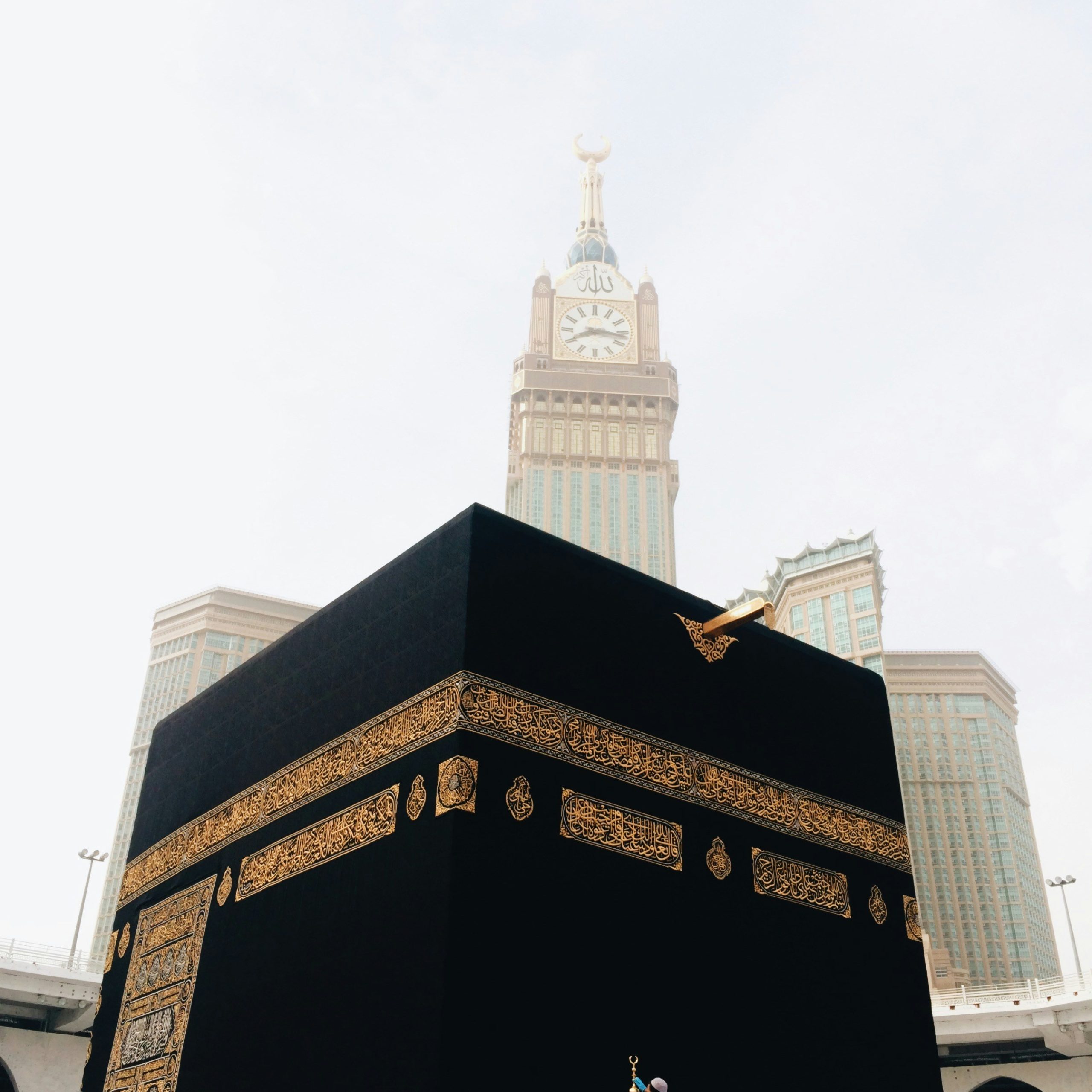
What Is Hajj?
Hajj is the annual Islamic pilgrimage to the holy city of Makkah and is one of the Five Pillars of Islam. Every adult Muslim who is physically and financially able is required to perform Hajj at least once in their lifetime.
Each year, millions of Muslims from around the world gather in unity, regardless of nationality, race, or background, to worship Allah and follow in the footsteps of Prophet Ibrahim (AS), his wife Hajar (AS), and Prophet Muhammad ﷺ.
Why Is Hajj Important?
Hajj is a profound act of worship that symbolizes submission to Allah, spiritual renewal, and the unity of the Muslim Ummah. It is an opportunity for Muslims to seek forgiveness, strengthen their faith, and draw closer to Allah.
The Prophet Muhammad ﷺ said:
“Whoever performs Hajj and does not commit any obscenity or wrongdoing will return as free from sin as the day his mother gave birth to him.” (Bukhari & Muslim)
The Main Rituals of Hajj
1. Entering Ihram
Pilgrims begin by entering the sacred state of Ihram and making the intention to perform Hajj. Men wear two simple white garments, while women dress modestly according to Islamic guidelines.
2. Tawaf
Pilgrims perform Tawaf by circling the Kaaba seven times in worship and devotion to Allah.
3. Sa’i
Pilgrims walk seven times between the hills of Safa and Marwah, commemorating Hajar’s (AS) search for water for her son Ismail (AS).
4. Standing at Arafat
Known as the pinnacle of Hajj, pilgrims gather on the Plain of Arafat for prayer, reflection, and supplication. This day is one of the most important days in Islam.
5. Muzdalifah
After sunset, pilgrims travel to Muzdalifah where they pray, rest, and collect pebbles for the next ritual.
6. Stoning the Jamarat
Pilgrims throw pebbles at three pillars representing the rejection of Shaytan (Satan) and the commitment to obey Allah.
7. Qurbani (Sacrifice)
Pilgrims offer a sacrifice in remembrance of Prophet Ibrahim’s (AS) willingness to sacrifice his son in obedience to Allah’s command.
8. Shaving or Trimming the Hair
Men shave or trim their hair, while women cut a small portion, symbolizing purification and renewal.
9. Final Tawaf
Before leaving Makkah, pilgrims perform the Farewell Tawaf, marking the completion of their Hajj journey.
Lessons from Hajj
Hajj teaches:
- Complete submission to Allah.
- Patience and perseverance.
- Equality and unity among Muslims.
- Gratitude for Allah’s blessings.
- The importance of repentance and spiritual renewal.
A Life-Changing Experience
For many Muslims, Hajj is the most profound journey they will ever undertake. It is a time of reflection, worship, and transformation that leaves a lasting impact on the heart and soul.
Whether preparing for your first Hajj or simply seeking to understand its significance, Hajj reminds us of our purpose in life—to worship Allah and strive for righteousness.
“Labbaik Allahumma Labbaik” — Here I am, O Allah, here I am.


Comment (0)